-
What should I check first when a Zoeller sump pump stops working?
-
How do I find Zoeller pump distributors near me?
-
What should I know before buying a submersible sump pump 457-2?
-
What kind of hydraulic pump oil should I be using?
-
How do I adjust a hose clamp without breaking it?
-
What's the question nobody asks but should?
I'm the office administrator for a 60-person mechanical contracting company. I handle all the maintenance and parts ordering — roughly $110,000 a year across 11 vendors. I answer to both operations and finance, which means when something goes wrong on either end, I hear about it first.
We run Zoeller sump and sewage pumps in our own shop and on a lot of customer installs, and these are the questions I actually get asked — from techs, from clients, and from the other procurement people I trade emails with. No fluff, just what I've picked up.
What should I check first when a Zoeller sump pump stops working?
Start with the float switch, not the motor. That's the answer I got from our senior plumber after I'd already ordered a replacement pump for what turned out to be a stuck float. He said it without judgment, but the tone said plenty.
What most people don't realize is that a pump which "runs but doesn't move water" and a pump that "won't turn on at all" have completely different diagnostic paths. No run means electrical or float. Runs but nothing moves means clogged impeller, frozen discharge line, or a check valve installed backward. That last one happens more than anyone admits.
Check the breaker, then the float, then the discharge line. In that order. I've watched techs swap a motor when the real problem was a $4 float switch.
How do I find Zoeller pump distributors near me?
Go straight to Zoeller's own site and use their distributor locator — don't trust the first Google result. A lot of those "near me" pages are aggregators that will sell you anything and call it a Zoeller-compatible part.
Ask three questions before ordering: Is this an authorized distributor? Can you ship same-day if I have a pump down? And — this is the big one — what's the actual out-the-door price including freight and any handling fees?
Here's my take: the vendor who lists every fee upfront, even when the total looks higher on the first line, usually costs less in the end. The one with the suspiciously low quote always finds a way to add $40 of "freight recovery" or "small order handling." I've learned to ask "what's NOT included" before I ask "what's the price."
What should I know before buying a submersible sump pump 457-2?
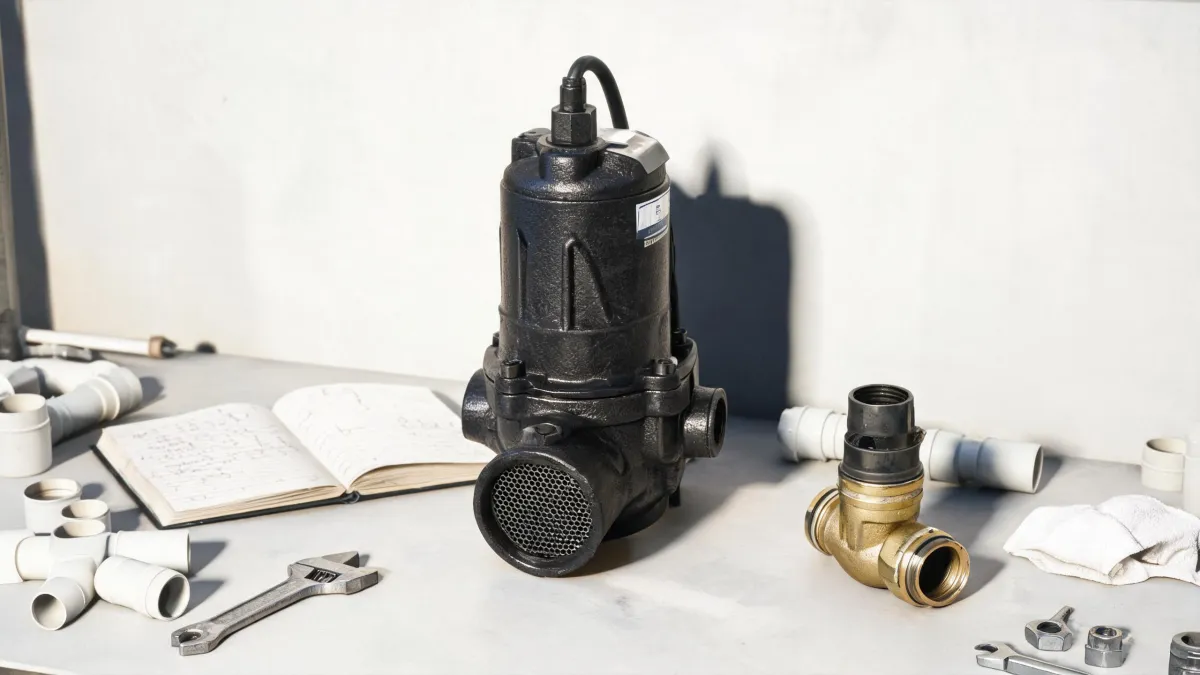
The 457-2 sits in Zoeller's cast-iron submersible lineup, which is the part most contractors care about — cast iron dissipates heat better than plastic and doesn't flex the way thermoplastic housings can. That's not marketing, it's just materials science.
Three things to confirm before you click buy:
- Discharge size and whether your existing plumbing matches it. Adapter kits exist; nobody likes buying them last minute.
- Whether it ships with a check valve or you need to add one. Usually you need to add one.
- Basin diameter. This trips people up far more than pump specs ever do.
The "bigger is always better" thinking comes from an era when pump flow ratings were all over the map. Today, oversizing a sump pump mostly means it short-cycles, wears out faster, and costs more to run. Match the pump to the inflow, not to your ego.
What kind of hydraulic pump oil should I be using?
Depends on the pump, not on the brand of oil. What matters is the ISO viscosity grade — that's defined by ISO 3448, the standard behind the VG numbers you see on the jug (VG 32, VG 46, VG 68, and so on). Your equipment manual will tell you which grade it wants. Pick the oil that matches, and stop there.
Where people go wrong: reaching for "the good stuff" (higher viscosity) assuming it's better. Higher viscosity oil in a pump rated for VG 32 doesn't lubricate better — it just runs hotter and works the pump harder. Across a multi-shift operation, that adds up fast.
One more thing vendors won't volunteer: brand loyalty usually matters less than change frequency and contamination control. Clean oil at the right grade beats premium oil at the wrong grade, every time.
How do I adjust a hose clamp without breaking it?
Loosen the screw just enough to slide the clamp, position it behind the barb, then tighten until the hose stops spinning — then stop. That's the whole technique.
The problem is the "then stop" part. Every tech I know has overtightened a worm-gear clamp and cut into a hose. The numbers said snug; my hand said "one more turn." I should have listened to the numbers. If you're using a torque wrench, small worm-gear clamps typically spec somewhere around 25–35 inch-pounds — but check the spec for your specific clamp, because it varies by size and material.
Two things that save headaches: spring clamps are more forgiving on soft hoses, and if the clamp sits on a barbed fitting, get it centered on the barb — not at the very edge of the hose. Half an inch of placement changes everything.
What's the question nobody asks but should?
"What does it cost me if this fails at 2 a.m. on a Sunday?"
Every pump conversation I have is really about that. The pump itself might be $200. The flooded basement cleanup is $4,000. The client relationship damage doesn't have a number. A battery backup, a second pump in the basin, or a float alarm — these aren't upsells. They're the difference between a service call and an emergency restoration invoice.
If you're installing a sump pump for someone and not at least mentioning backup options, you're doing them a disservice. Not everyone says yes. But everybody deserves to be asked.
That's the list. If you've got a question I didn't cover, send it over — the ones I get asked repeatedly tend to end up on this page eventually.

Leave a Reply