Residential groundwater
Sump basins, backup planning, switch clearance and check-valve noise all affect whether a homeowner stays protected through the next storm.
Applications
Different buyers ask different questions. A plumbing contractor wants a replacement that can be installed today. A property manager wants fewer alarm calls. A maintenance team wants spares that fit the equipment already on site. Zoeller organizes pump guidance around those application patterns.
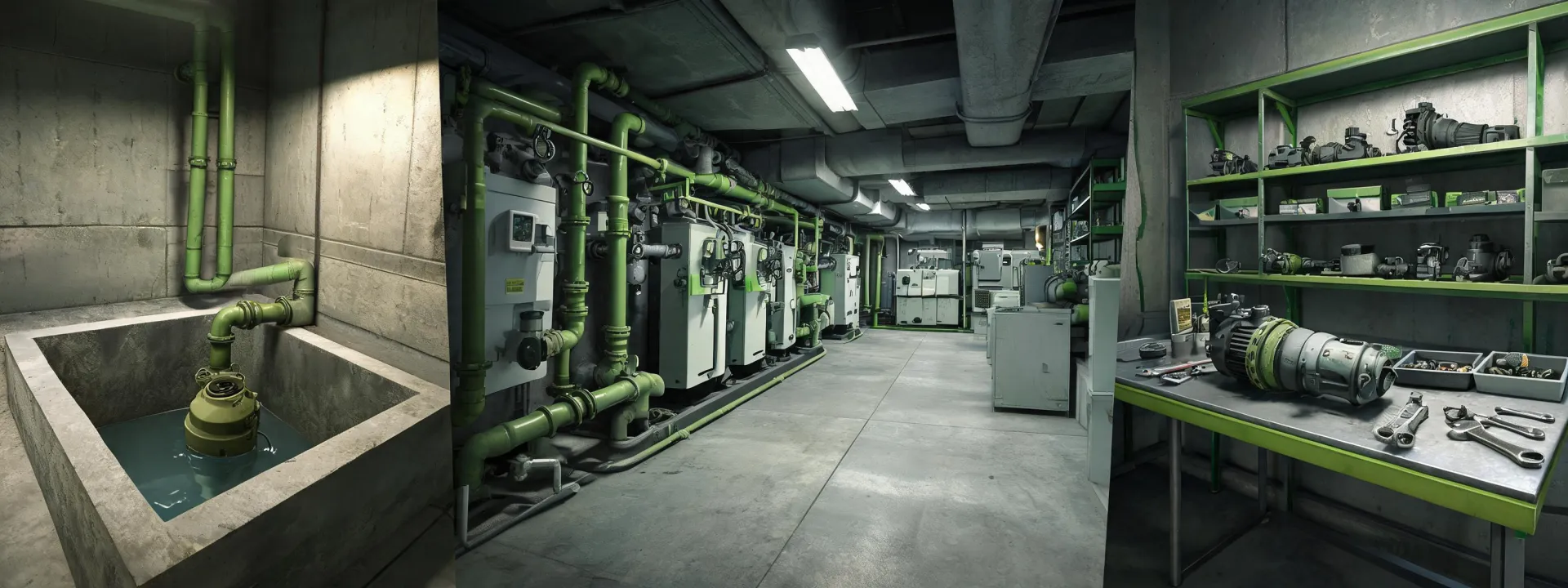
Application pillars
The page uses a horizontal story format because pump requirements often differ more by site condition than by product name. Each card frames the job, the risk and the information a buyer should gather before asking for a quote.
Sump basins, backup planning, switch clearance and check-valve noise all affect whether a homeowner stays protected through the next storm.
Installers need fast model matching, predictable parts and clear discharge assumptions when replacing pumps during active service calls.
Laundry rooms, tenant improvements and small mechanical spaces need compact pump packages with straightforward maintenance access.
Managers prioritize alarms, spares, documented replacement paths and reduced nuisance calls across multiple buildings.
Teams working around lift stations or maintenance benches need part identification and support routing that reduces downtime.
Application outcomes
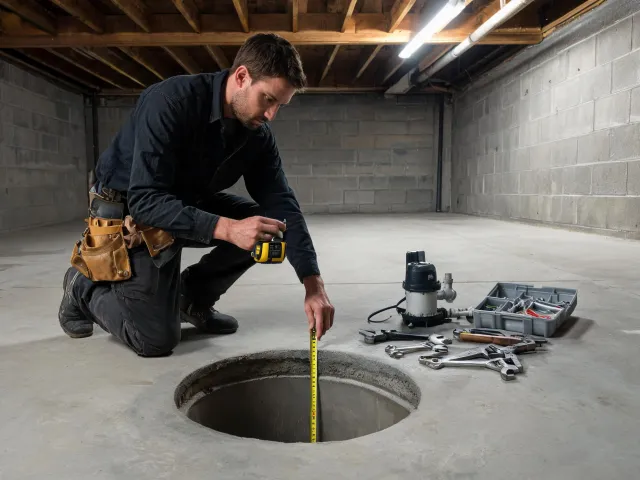
Capturing basin depth, discharge height and float clearance before ordering helped the installer avoid a same-day return trip.

Separating alarm placement from pump selection made the maintenance plan easier for multiple building teams to follow.

A parts-focused request reduced substitution questions and helped the buyer leave with the pump, valve and switch notes aligned.

Tell Zoeller where the pump is working, what it must move and how fast the replacement is needed.