Product families clarified
Sump, sewage, effluent, utility and parts categories stay distinct so buyers can enter through the job type.
About Zoeller
Every pump brand earns trust in the same place: a wet basin, a tight mechanical room, a counter pickup that cannot wait or a maintenance call that needs the right replacement the first time. Zoeller presents itself as a steady partner for those moments, with practical product organization, recognizable parts language and a service mindset that respects the installer as much as the buyer.
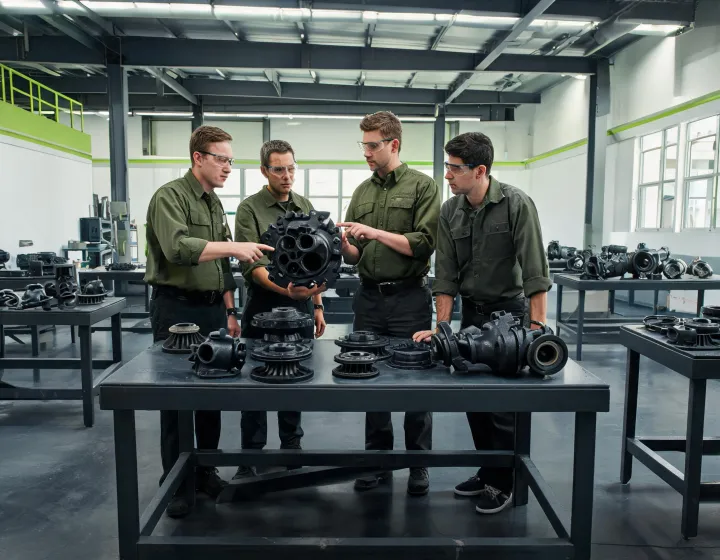
Working heritage
The Zoeller story on this site is not written as nostalgia. It is written as operating discipline: keep the product families understandable, keep replacement parts findable and keep the support path close to the conditions a contractor sees in the field. Pump buyers often work under pressure, and a trusted supplier reduces that pressure by being clear before the order is placed.
That reliability shows up in small details. Product language separates sump, sewage, utility and part requests. Support content asks about head height, discharge route and float control rather than assuming a single generic answer. Dealer routing stays visible because many pump purchases are solved through local inventory and service relationships.
How the work is organized
Instead of relying on decorative dates, the Zoeller site organizes milestones around operational maturity: product clarity, service access, dealer coordination and resource readiness. Those are the points that matter when a facility manager or contractor needs a pump answer quickly.
Sump, sewage, effluent, utility and parts categories stay distinct so buyers can enter through the job type.
Valves, switches, alarms and basin accessories are described in the context of installation and maintenance.
Where-to-buy and support routes are kept visible because many pump decisions depend on local availability.
Manuals, warranty direction and selection checklists sit beside product decisions rather than in a distant archive.
People behind the pump path

Turns flow, head and basin details into a practical shortlist.

Helps identify service items before the replacement order is final.

Connects buyers with authorized channels and local inventory paths.

Frames documentation in language teams can act on quickly.
Bring the installation notes, replacement questions or dealer request. The next step is a focused support conversation, not a generic form letter.