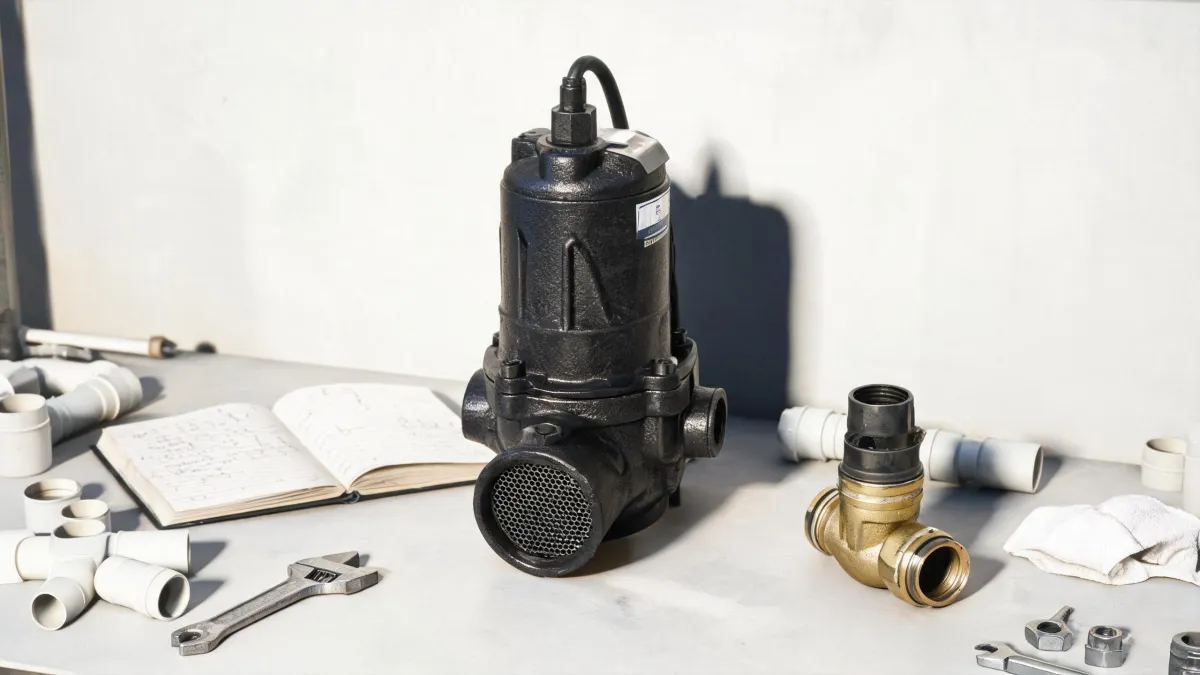
If you're asking which Zoeller sump pump is best, here's the unvarnished answer: the Zoeller M53 is the one I'd put my money on for most basements. It's not the fanciest and it's not the cheapest, but it's the pump that gives you the lowest total cost of ownership over a 5-7 year horizon.
I say that as a procurement manager, not a Zoeller salesperson. I've spent the last six years buying pumps, pipes, and parts for a portfolio of rental properties. I've watched contractors argue over float switches and I've been the one writing checks for emergency water mitigation. That's why this isn't a get the cheapest pump article.
Why I Stopped Buying Price-Point Pumps
In my first year on the job, I made the classic rookie mistake: I ordered the lowest-priced pumps I could find because the budget said save. They were cheap. They also started short-cycling within three months, and one of them burned out while we were away for a long weekend. The cleanup and re-wallboard work cost more than nine premium pumps.
On one property, the $140 pump died after 14 months. The service call alone was $160, then the pump was $220 on an emergency basis because the tenant needed it fixed before a storm. Meanwhile, an M53 at $185 ran for six years with zero service calls. Do the math.
After that, I built a simple TCO spreadsheet. On the left, purchase price. On the right, estimated lifespan, service visit cost, downtime, and the risk of a single flood. The results were always the same: a mid-tier cast-iron pump beats a bargain plastic pump by a mile.
Here's the thing: most hidden costs are avoidable if you look beyond the sticker price. That extra $40 buys cast-iron housing, a better switch, and a brand that contractors actually trust.
How to Choose the Right Zoeller for Your Pit
Zoeller makes several sump pump lines, and the best one depends on your basin. Here's what I evaluate before I approve an order:
- Horsepower and head. Most homes can get away with a 1/2 HP pump. If your pit sits deeper than 8 feet or your discharge line runs long, step up to a 3/4 HP model. Bigger isn't automatically better; it just increases cost and energy use.
- Construction. Zoeller uses cast-iron volutes for the M-series pumps. That's not marketing fluff. Cast iron handles heat better than thermoplastic, and it has enough mass to dampen vibration. A pump that shakes less tends to last longer.
- Switch type. Vertical mechanical floats are simple and reliable in a clean pit. Electronic pressure switches respond faster and have less to snag, but they're more expensive to replace. I prefer the vertical float for a basic residential install.
If I'm being practical, the M53 (1/2 HP) covers the standard basement sump. The M98 (3/4 HP) is the choice for deeper pits or longer lateral runs. I've installed both, and I'll take the M53 for a typical Chicago split-level without a second thought.
Installation Manual? Read It Before You Even Unbox
You'd be surprised how many people skip the manual. Don't. The Zoeller sump pump installation manual spells out minimum basin diameter, required air gap, and which way the check valve should orient. I've seen a pump destroyed because the installer forgot to drill a 3/16-inch weep hole in the discharge pipe. The manual catches that.
Also, keep a service wrench set nearby. Those L-shaped wrenches are designed to grab the volute without cracking it, which makes removing the pump from the pit a ten-minute job instead of an hour-long fight. I keep one in our company van and another in the shop. It's a small thing that saves money every time.
After the pump is installed, test it. Fill the pit with water and watch the float cycle. I've seen pumps wired backward, so the float turned on but the impeller did not move. That's a five-minute check that saves an emergency call later.
I also schedule a quick pump check every November: unplug it, pull it, clean any debris from the inlet screen, and pour a bucket of water to confirm the float moves freely. That ten-minute routine caught two failing pumps before they failed.
Two Other Maintenance Fixes You'll Probably Face
Since we're on the topic of preventive maintenance, here are two things that trip up every new property manager I work with.
First, an electric lawn mower that suddenly stops usually isn't broken. Most have a reset button on the motor housing. If the mower smells hot or stalls in thick grass, let it cool, press the reset button, and try again. Nine times out of ten, that's the whole repair.
Second, a Kwikset door lock that starts beeping slowly or acts sluggish is telling you the battery is low. To change the battery on a Kwikset door lock, remove the interior mounting screws, lift the cover plate, and pull out the battery pack. Replace with four fresh AA batteries (some models use a 9-volt), then reinstall the cover. No locksmith, no tears.
When This Advice Does Not Apply
This guidance is for sump pumps in a standard pit. If you're dealing with sewage ejectors or effluent pumps, stop. Those need a different pump design, usually a 2-inch discharge and a higher torque motor. And if your area has frequent power outages, the pump itself isn't enough. You'll want a battery backup system to keep the sump alive while the grid is down. I'd never claim the M53 is failure-proof. Nothing is. But in six years of tracking this gear, the M53 has the best reliability-to-cost ratio I've seen.
So do the boring math before you buy. A pump is a tiny line item compared to a finished basement. Spend the extra $40, read the manual, and keep a wrench set handy. Your future self, and your tenants, will thank you.

Leave a Reply